


After 50, spending decisions can feel a little different. A purchase may not simply be about getting something new. It might be tied to family memories, a favourite hobby, a long-held goal or a part of your younger life that still brings you joy.
That is why budgeting for sentimental purchases after 50 deserves a little extra thought. There is nothing wrong with making room for meaningful spending, but it should support your retirement lifestyle rather than put pressure on it.
Separate meaning from impulse
A sentimental purchase should have lasting value and not just provide a feeling of excitement in the moment. Before spending money, ask yourself why the item matters. Is it connected to a real memory, a family tradition or a hobby you still enjoy?
Waiting a few days or weeks before making your purchase can also help. If the purchase still feels important after some time has passed, and the cost fits comfortably within your budget, you can make the decision with more confidence.
Look beyond the purchase price
The price tag is only one part of the cost. Many sentimental purchases come with ongoing expenses. Antiques may need restoration, collectibles may need proper storage, jewellery may require insurance, and hobby items may need regular upkeep.
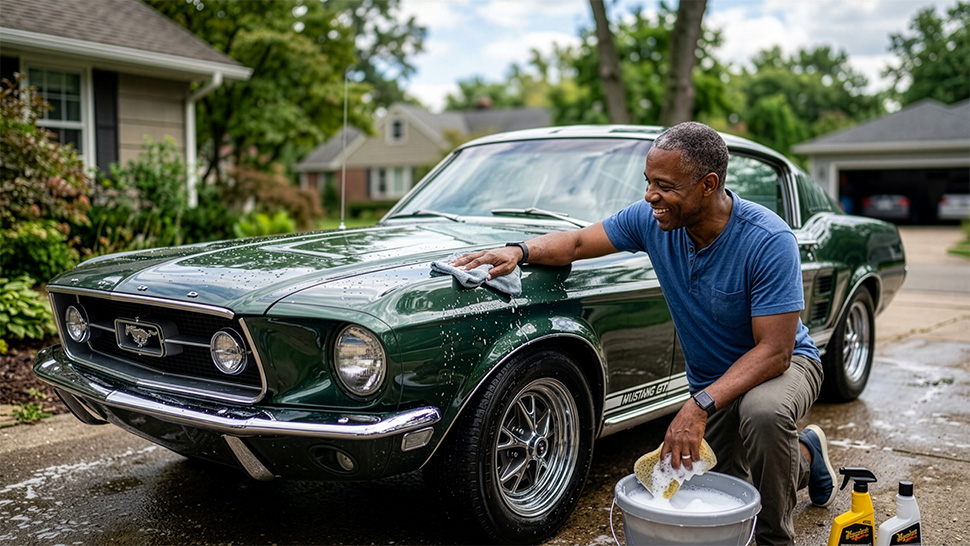
Before making room for a nostalgic purchase, it helps to research practical upkeep details, whether that means caring for heirloom jewellery, storing collectibles or carrying out wheel maintenance on a classic vehicle.
Thinking about these extra costs ahead of time can keep a meaningful purchase from becoming a financial burden later.
Create a spending fund
One helpful approach is to create a small budget category for meaningful, non-essential purchases. This could be a monthly amount or a yearly limit, depending on your financial situation.
Keeping this money separate from emergency savings, housing costs, health care expenses and everyday bills can make the choice clearer. If the money is available in the fund, you can enjoy the purchase without guilt. If it’s not, you can wait and save gradually.
Choose a smaller version
A meaningful purchase doesn’t always have to be the biggest or most expensive option. You might restore one family item instead of several, take one memory-focused trip instead of multiple vacations or choose a smaller collectible that still carries personal value.
Scaling down does not take away the meaning. In many cases, it protects the enjoyment by keeping the purchase affordable and stress-free.
Spend with confidence
Retirement planning is not only about limiting spending. It is also about using money in ways that support financial security and happiness. Sentimental purchases can have a place in that plan when they are budgeted for and kept within realistic limits.
After 50, the best purchases are often the ones that honour your past without disrupting your future. That balance is the real goal when planning for sentimental spending later in life.
This article originally appeared on 50plusfinance and was syndicated by 50plusfinance and Newstex. It was legally licensed through the Industry Dive publisher network. Please direct all licensing questions to legal@industrydive.com.